Horse and Goat compatibility
Space and shared rituals.
A tradition can bring you together. It can also need a little room to change.
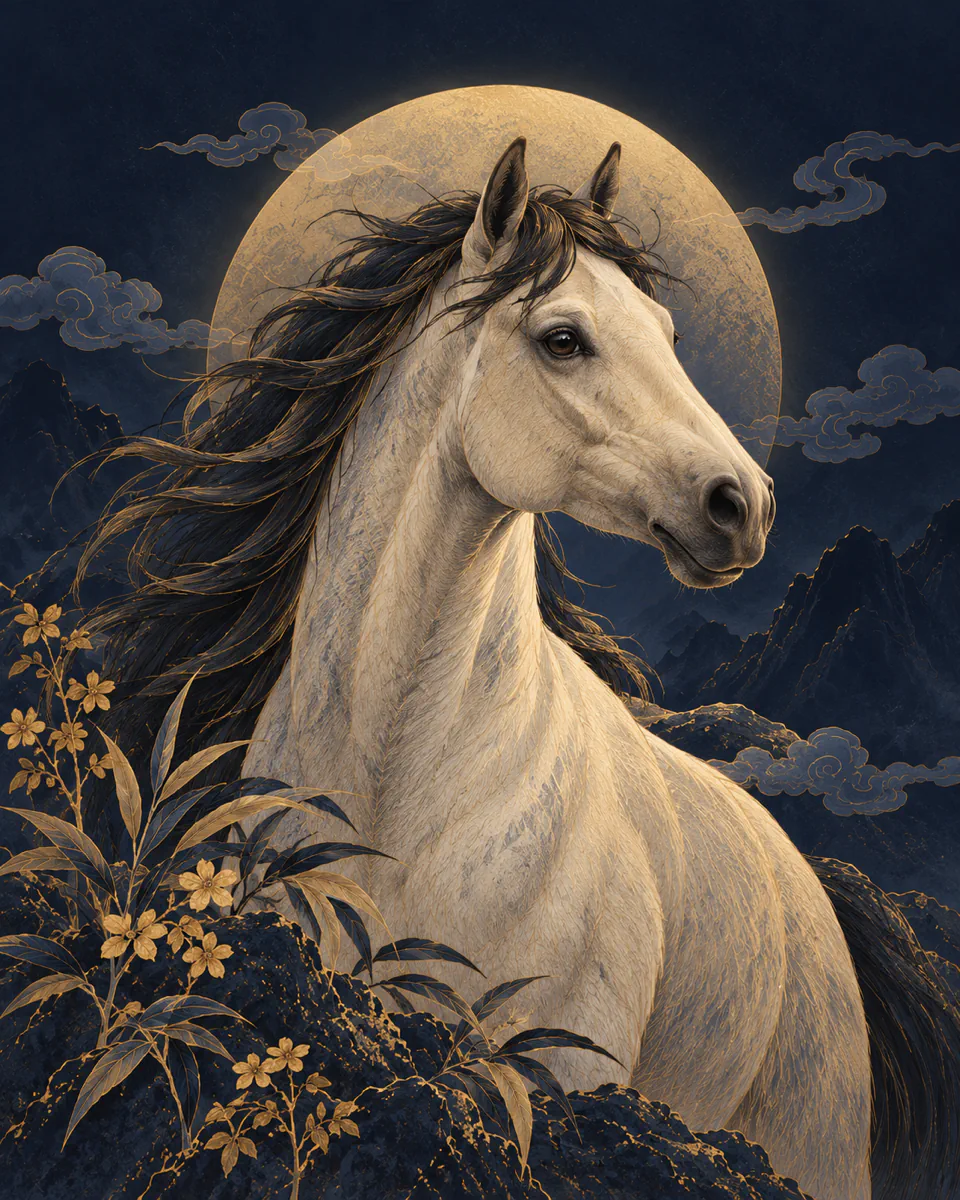
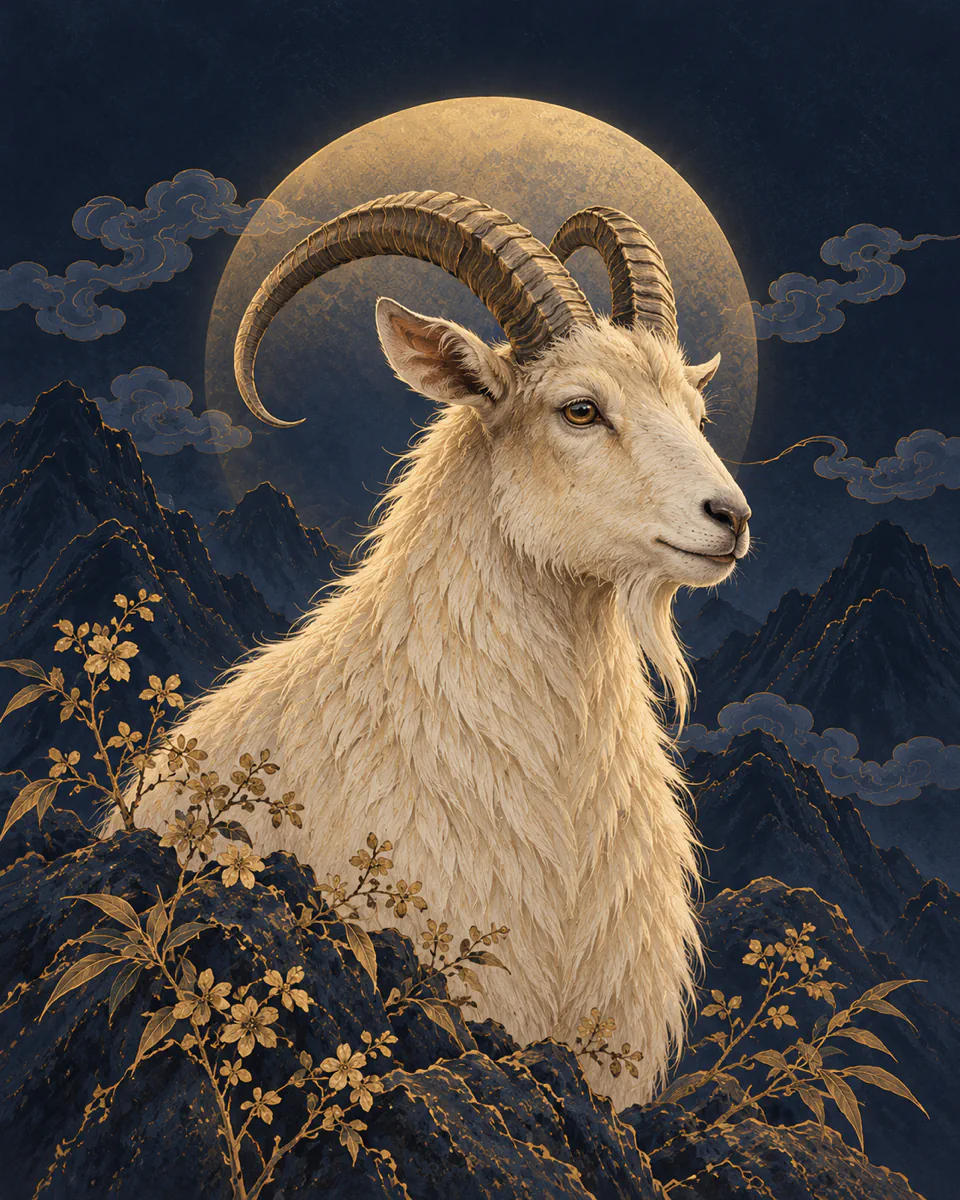
Horse and Goat form a traditional Six Harmonies pair through Wu (午) and Wei (未). Goat is also called Sheep or Ram in English zodiac writing; Oralumia uses one Goat sign, not three different matches. The traditional grouping does not settle how much time two people should spend together. Here, we explore how time apart and shared rituals can both have a place.
Explore this pair for freeNo birthdays · No sign-up · No compatibility score
A familiar moment,
a more useful question.
Saturday morning used to mean going out together. Now one person wants to cycle alone while the other still looks forward to the familiar outing. A changed routine can feel larger than the hours it occupies: are we losing something important, or making room for something each of us enjoys?
Before defending the timetable, name what you value about it. Perhaps it is having an unhurried conversation, sharing somewhere new, or knowing there will be one moment when other demands are set aside. Those details can survive a different schedule. You may keep Sunday breakfast together and leave Saturday open, or discover that a shorter outing suits you both.
Oralumia uses Horse and Goat as a lens for this question, without assigning independence to one person and closeness to the other. Either of you may want company today and solitude tomorrow. A shared ritual stays useful when it is chosen, not when attendance becomes the price of belonging.
Original Oralumia reflection. These scenes are possibilities to discuss, not personality facts inferred from a birth year.
One traditional pair, several English animal names
Wu is the Horse branch and Wei the Goat branch, adjacent positions in the twelve-branch sequence. San Ming Tong Hui, volume two, records the animal correspondences and includes Wu–Wei in its Six Harmonies discussion. The Hong Kong Observatory documents the branch order and calendar use. These sources identify the classification; they do not prescribe modern relationships.
Goat, Sheep and Ram are English names you may encounter for the eighth zodiac animal, 羊 (yang). They are not three extra signs or three separate compatibility readings here. English museum labels offer a concrete illustration of this variation: The Metropolitan Museum of Art catalogs an eleventh-century Chinese zodiac figure as a ram. That object is a historical example of zodiac imagery, not evidence about whether two people get along.
Animal naming also appears in art beyond the zodiac. The Smithsonian’s guide to Zhao Mengfu’s Sheep and Goat, an early fourteenth-century handscroll, renders the animal term as sheep or goats in its translation of the painter’s inscription. The painting is not presented as a compatibility chart. Both museum examples help explain the language and imagery without turning them into personality rules.
Space and shared rituals are this page’s contemporary Oralumia theme. We are not translating an ancient instruction to pair a restless Horse with a home-loving Goat. The amount of company you enjoy is something to discuss with the person in front of you, not infer from either animal name.
Read the cultural sources ↓Love
Keep a meeting point, leave some hours open
One partner wants a Saturday morning to themselves. The other hears that the weekly outing they enjoy is being dropped. It is possible to value the time together and still want a few hours that do not need to be negotiated as a couple.
Separate the personal time from the shared moment. Ask what you each want to keep, then try an arrangement with a clear meeting point: Saturday is open; Sunday breakfast is something you both choose. Keep it small enough that being together does not require giving up the whole weekend.
After trying it, talk about the experience rather than scoring who received more hours. Did the time apart feel usable? Was the shared moment enjoyable, or did it become another appointment to manage? Either answer can help you adjust the ritual.
A question to ask each other
What time apart helps you return with more attention?
Friendship
A familiar ritual can have a new rhythm
You and a friend have drawn together every Friday for months. Their working hours change, and weekly meetings begin to feel difficult. You miss the habit; they miss enjoying it without having to rearrange everything around it. The friendship need not be measured by an unchanged calendar.
Find the part worth keeping. Is it making something side by side, trying a new idea, or having an evening with no particular agenda? A monthly drawing session may hold that meaning better than several rushed meetings. You can also leave a week open without turning the gap into a problem to solve.
Choose the next occasion together rather than announcing a permanent new rule. If you want a small connection between meetings, make it optional: share a sketch when you feel like it, without expecting a matching reply. A ritual is an invitation to return, not a record of who has kept up.
A question to ask each other
How often would you enjoy meeting without making it an obligation?
Family
Keep the meaning without requiring the same format
Your family has a monthly evening of looking through old photographs and telling stories. As people move away or work different shifts, joining at the same time becomes harder. Someone suggests skipping it; someone else worries that the family will stop remembering together.
Ask what the gathering is meant to preserve. If the pleasure is hearing a story you did not know, there may be more than one way to take part. One person could tell a story during the evening; another could add one later, if they want to. Nobody needs to explain every absence.
Keep photographs and personal stories private unless everyone involved agrees to share them. The exercise here needs no uploads or written answers. An invitation can leave room for different ages, locations and availability while still making someone feel included. Belonging should not depend on appearing in every family ritual.
A question to ask each other
Which shared ritual can stay meaningful without being compulsory?
Try a conversation for your pair
Symbol-based exploration. No birthdays needed. This free, original reflection uses the two animal symbols on this page. It does not calculate either person's birth year or five-element reading.
Keep the conversation going.
The free reading stands on its own. If you would like more guided conversations, Deeper Connection is an eight-page English keepsake with everyday scenes, a repair sequence and four new prompts. The public Dragon × Rabbit sample shows what is inside.
Preview Deeper Connection · $4.99 once ↗A purchased report uses the symbols prepared in the full free Chemistry flow. This article does not prepare a personal report or guess your year elements.
Sources and boundaries
The sources support the cultural background only. They do not endorse Oralumia or validate the scenarios, exercises or a relationship outcome.
- Hong Kong Observatory — Heavenly Stems and Earthly Branches ↗
The order of the twelve Earthly Branches and their use in the calendar.
- San Ming Tong Hui, volume two — zodiac correspondences and Six Harmonies ↗
The Wu–Horse and Wei–Goat correspondences and Wu–Wei combination. Not evidence for different needs for freedom, closeness or a relationship outcome.
- The Met — Chinese zodiac figure of a ram ↗
An eleventh-century Chinese zodiac object cataloged in English as a ram. No claim about relationship compatibility.
- Smithsonian — Sheep and Goat by Zhao Mengfu ↗
The early fourteenth-century artwork and the guide’s sheep/goat wording in its translated inscription. The work is not cited as a zodiac pairing chart.
Keep a ritual because it makes room for the people taking part. Leave enough space for each person to enjoy something of their own—and enough flexibility for a familiar tradition to become welcome again.
Oralumia uses Lunar New Year for birthday-based zodiac calculation. A year label alone can be misleading for birthdays near that boundary; find your animal with your full birthday if you are unsure.